

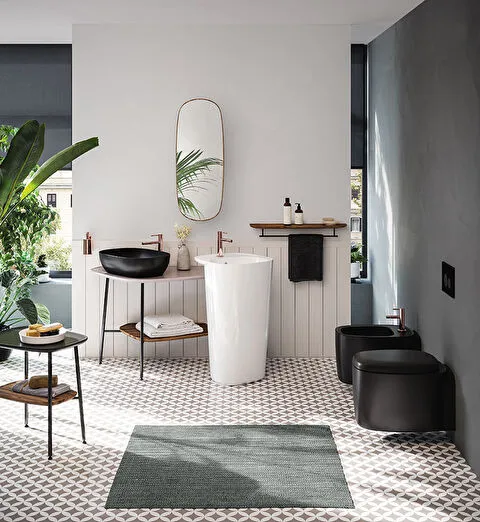






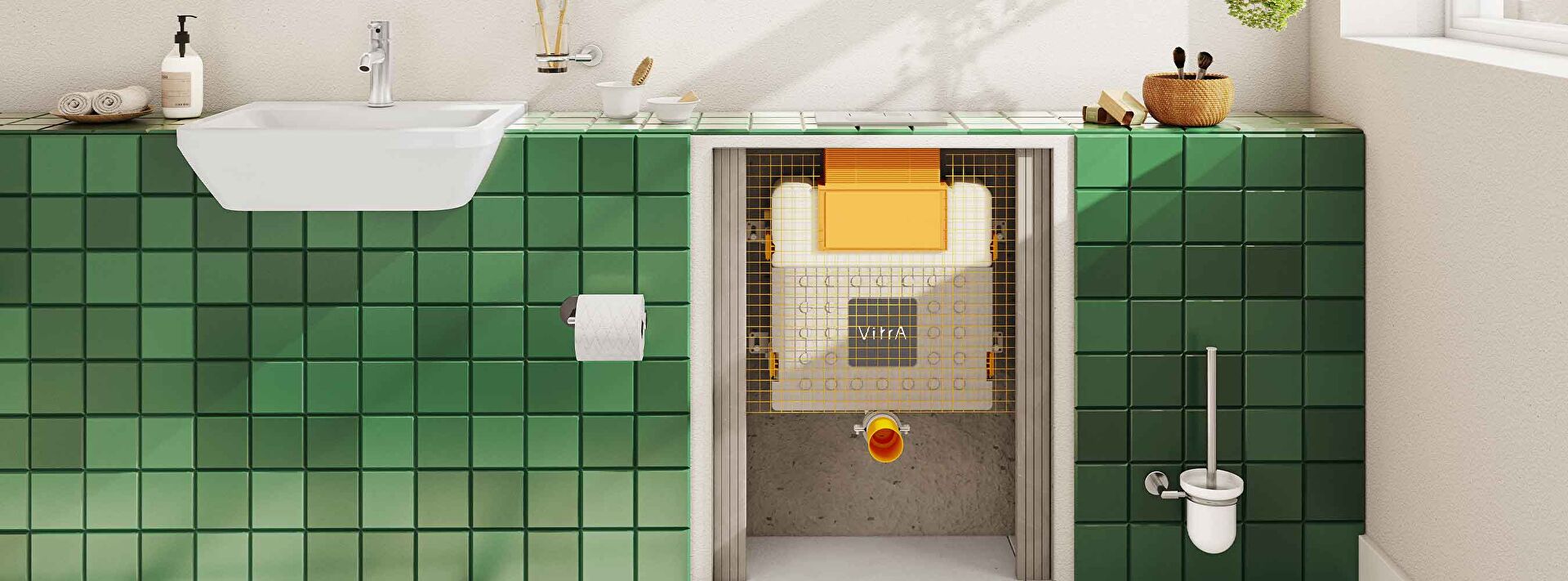
Vanity Units
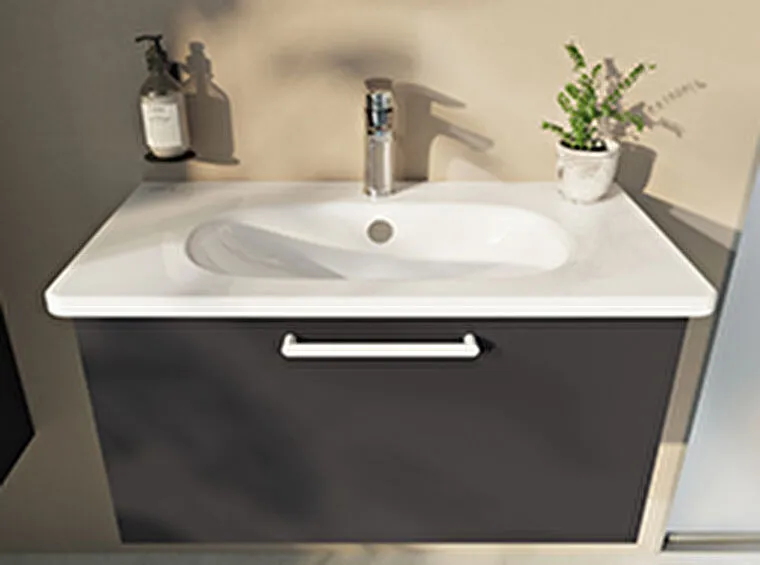
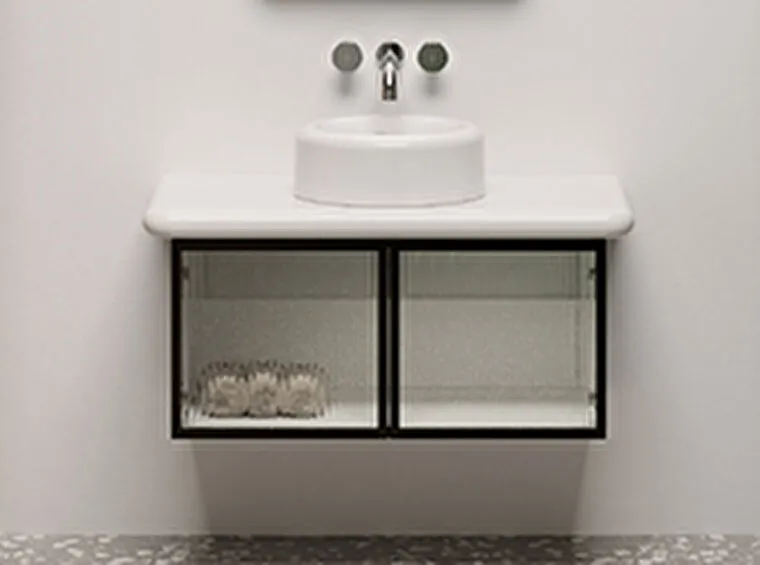


Valarte Washbasin Unit - 100cm


Vanity Units
A well-chosen vanity unit changes how your bathroom works day to day. It gives you organised storage, a dedicated wash area and a cleaner overall layout. At VitrA, our Vanity Units are designed for UK homes where space, plumbing positions and durability matter. Whether you are upgrading a compact cloakroom or planning a full renovation, you will find options that balance proportion, storage depth and long-term reliability.
You are not simply choosing a cabinet. You are deciding how your bathroom flows, how easily you clean it and how comfortably you move within it. This guide walks you through sizes, installation styles, basin compatibility and storage details so you can select the right bathroom vanity unit UK homeowners trust for everyday use.
Choose The Right Vanity Unit For Your Bathroom Layout
Before comparing finishes or handles, look at your layout. Measure wall-to-wall width, finished floor to ceiling height and the distance from the soil pipe or waste outlet. In many UK homes, space between the toilet and shower is limited, so projection depth becomes just as important as width.
Typical widths you will see across VitrA Vanity Units include:
- 450mm and 500mm cloakroom units – Ideal as a compact vanity for small bathroom layouts. Their reduced depth, often around 350–400mm, suits narrow hallways or under-stair WCs.
- 600mm units – A popular choice in family bathrooms. They provide comfortable basin space and practical drawer storage without overwhelming the room.
- 800mm and 1000mm models – Suitable for larger bathrooms where you want generous drawer capacity or a double drawer vanity unit format.
If your room feels tight, a wall hung vanity unit can help. Because the floor remains visible underneath, the space appears more open. Cleaning also becomes easier since you can mop directly beneath the cabinet. For solid floors and renovation projects where pipework sits lower, a floor standing vanity unit may offer simpler installation and greater internal capacity.
When reviewing the wider bathroom furniture range, you can coordinate finishes and proportions across tall cabinets and mirrored storage. VitrA designs its bathroom furniture with moisture-resistant carcasses and durable edge banding. Soft-close drawer systems reduce daily impact stress, which protects the cabinet over time.
Installation And Practical Considerations
- Wall reinforcement – A wall mounted vanity unit must fix securely into solid masonry or reinforced studwork. Always confirm load-bearing capacity before fitting.
- Waste and water inlet alignment – Check the height of your existing trap. Drawer-led Vanity Units often include U-shaped cut-outs to accommodate pipework.
- Pre-assembled delivery – Many VitrA Vanity Units arrive rigid and factory assembled, saving installation time and ensuring structural accuracy.
For new-build projects, plumbing can be positioned to suit the cabinet you prefer. In refurbishment settings, you often work around existing pipe locations. Taking measurements early prevents costly adjustments later.
Vanity Unit With Basin Or Without Basin – What’s The Difference?
One of the most common questions is whether the basin is included. A vanity unit with basin arrives as a coordinated set. The ceramic wash basin is designed specifically for the cabinet below, so dimensions, fixing points and overflow alignment match perfectly.
Choosing a vanity unit with basin gives you clarity and convenience:
- Integrated ceramic basin unit – The basin sits flush with the cabinet edges, reducing dirt traps and making cleaning easier.
- Guaranteed compatibility – Tap hole configuration and overflow position align with the cabinet structure.
- Streamlined installation – Fitters spend less time adjusting edges or modifying cut-outs.
VitrA’s ceramic expertise stands out here. High-quality glazing improves stain resistance and supports daily use in busy households. The smooth surface helps reduce limescale build-up, which is particularly useful in hard water areas across the UK.
A vanity unit without basin offers flexibility. You may want to pair a countertop bowl or match a specific basin style already chosen. This route works well if you prefer a statement countertop basin with a tall basin mixer tap.
When selecting separately, consider:
- Tap hole configuration – One tap hole suits most modern basin mixer tap designs. Three tap hole layouts accommodate separate hot and cold controls.
- Drawer cut-out compatibility – Ensure the waste trap aligns with internal space. Measure basin depth against drawer position.
- Overflow requirements – Confirm whether your chosen ceramic wash basin includes an integrated overflow and match it with the correct waste.
If you plan to buy vanity unit online UK customers often compare specifications carefully. Checking dimensions and technical drawings avoids surprises on delivery.
Types Of Vanity Units By Installation Style
Installation style influences not only appearance but also cleaning access and storage layout. VitrA Vanity Units are available in wall-mounted and freestanding configurations to suit varied room conditions.
A wall mounted vanity unit, sometimes described as a floating bathroom vanity, fixes directly to the wall. This option suits modern layouts and smaller rooms where visible floor space enhances openness. It also simplifies under-unit cleaning, which many homeowners appreciate.
A floor standing vanity unit UK homeowners select often includes full-height side panels. These units conceal pipework effectively and can feel substantial in larger bathrooms. They usually provide deeper drawer boxes, which support bulkier toiletries or cleaning supplies.
Cloakroom spaces benefit from narrower solutions:
- Cloakroom vanity unit (400–500mm width) – Designed for guest WCs with restricted depth. Projection may be reduced to around 350mm.
- Freestanding vanity cabinet – Offers easier placement in retrofit situations where wall structure limits heavy fixings.
- Floating bathroom vanity in 600mm width – A balanced choice for en-suites where both storage and circulation space matter.
VitrA integrates soft-close hinges, metal drawer runners and durable internal finishes across many Vanity Units. These components are tested for repeated daily use. Over time, smoother operation protects both the cabinet and your routine.
When exploring a vanity unit without basin, you can match it with compatible basins and storage modules from coordinated collections. This approach helps maintain consistent colour tones such as gloss white, matt finishes or natural wood effects that complement contemporary UK interiors.
Storage Solutions: Drawers, Doors And Tall Cabinets
Storage design directly affects how you use your bathroom each morning. Drawer-led Vanity Units provide full visibility of contents. You pull out the drawer and immediately see toiletries, grooming tools or spare hand towels.
Door-based cabinets remain practical where pipework occupies central space. They often cost less and allow flexible internal shelving. For busy family bathrooms, a double drawer vanity unit separates personal items more effectively.
Consider these configurations:
- Vanity Units with drawers – Deep lower drawers store larger bottles. Upper shallow drawers suit grooming tools. U-shaped cut-outs protect space around the trap.
- Soft close bathroom cabinet systems – Dampened runners reduce slamming and extend product lifespan.
- Bathroom drawer organiser inserts – Keep cosmetics, toothbrushes and shaving accessories separated.
- Tall bathroom cabinet pairing – Adds vertical storage without increasing floor footprint.
If your room lacks width, vertical expansion helps. A coordinated tall bathroom cabinet beside your Vanity Units increases capacity for towels and cleaning supplies. This works particularly well in family homes where shared storage becomes crowded.
VitrA finishes are developed for humid environments. Moisture-resistant materials protect the cabinet core. Surfaces wipe clean with a damp cloth, which supports simple maintenance. In high-use spaces, these details reduce long-term wear and protect your investment.
Handle styles also influence daily experience. You may prefer integrated grip channels for a clean front profile or more defined handles for easier access with wet hands. Push-to-open systems appear minimal yet still require accurate installation for best results.
Choosing The Right Basin And Tap For Your Vanity Unit
Basin selection shapes both daily comfort and water control. An integrated ceramic wash basin offers a seamless transition between bowl and cabinet. Cleaning around the edges becomes straightforward, and splash-back risk reduces when proportions are well matched.
If you are selecting Vanity Units and basin compatibility separately, explore these basin types:
- Integrated ceramic basin – Designed specifically for the cabinet width. Often available in 600mm, 800mm and 1000mm formats.
- Countertop basin with vanity – Sits above the worktop. Requires a taller basin mixer tap or wall-mounted tap.
- Inset basin – Recessed into the surface, balancing height and splash control.
Tap selection depends on basin design. A single tap hole suits most deck-mounted basin mixer tap models. Wall-mounted taps free up worktop space and create a streamlined look. For vessel bowls, check spout reach and height carefully to prevent splashing beyond the bowl edge.
Water pressure in UK homes varies. Before installation, confirm compatibility between your chosen tap and supply pressure. Also check waste type, including slotted wastes for basins with overflow.
From a fitter’s perspective, dry-fitting the basin before sealing ensures alignment with the cabinet edges and drawer cut-outs. Taking this extra step prevents rework later.
VitrA’s ceramic production process emphasises smooth glazing. This surface finish resists staining and supports easier maintenance in hard water regions. Over years of use, consistent glaze quality protects appearance and hygiene.
Finishes, Colours And Materials For Modern Bathrooms
Finish selection plays a major role in how your bathroom feels. Gloss white surfaces reflect light and can make compact spaces appear brighter. Matt finishes offer a softer, more contemporary look, while natural wood effects introduce warmth and texture.
When coordinating Vanity Units with other elements, consider contrast and balance. A darker cabinet paired with lighter wall tiles creates visual depth. Alternatively, matching tones across cabinets and storage produces a calm, cohesive environment.
Material quality is equally important. Moisture-resistant boards, sealed edges and durable internal coatings help protect against humidity. In busy households, these construction details contribute to long-term performance.
To complete the look, pair your furniture with well-positioned bathroom mirrors. Mirrored cabinets or illuminated mirrors enhance functionality while reinforcing your chosen finish direction. Thoughtful lighting around the wash area improves daily routines such as shaving or applying makeup.
By combining considered finishes with practical design, you create a bathroom that feels intentional rather than improvised. Every surface, from drawer front to mirror frame, contributes to the overall experience.
Choosing the right Vanity Units involves more than selecting a finish. You consider room size, plumbing layout, storage needs and long-term durability. VitrA brings these elements together through carefully engineered bathroom vanity unit UK collections designed for real homes. When you explore the full range on the VitrA website, you can compare dimensions, technical drawings and coordinated furniture to build a layout that works confidently for your space.
Frequently Asked Questions About Vanity Units
What size vanity unit do I need for a small bathroom?
For most small UK bathrooms or cloakrooms, units between 400mm and 600mm wide work best. Check the depth as well as the width, especially if the door opens inward. A wall hung vanity unit can make the room feel less restricted because more floor remains visible.
Can I replace my old basin with a vanity unit?
In many cases yes, although you must check pipe positions and waste height. A cabinet hides pipework, yet the waste outlet needs to align with the internal trap space. If you are removing a pedestal basin, minor plumbing adjustments may be required.
Are wall hung vanity units strong enough?
When fixed correctly into solid masonry or reinforced walls, wall-mounted Vanity Units are secure. Use appropriate wall plugs and bolts, and confirm that the wall structure supports the load. Plasterboard walls may require additional reinforcement behind the surface.
Do vanity units come pre-assembled?
Many higher-quality VitrA Vanity Units are supplied rigid and pre-assembled, which reduces fitting time and improves long-term stability. Some models may require partial assembly. Always review the product specification so you can plan installation accurately.


