






Toilets

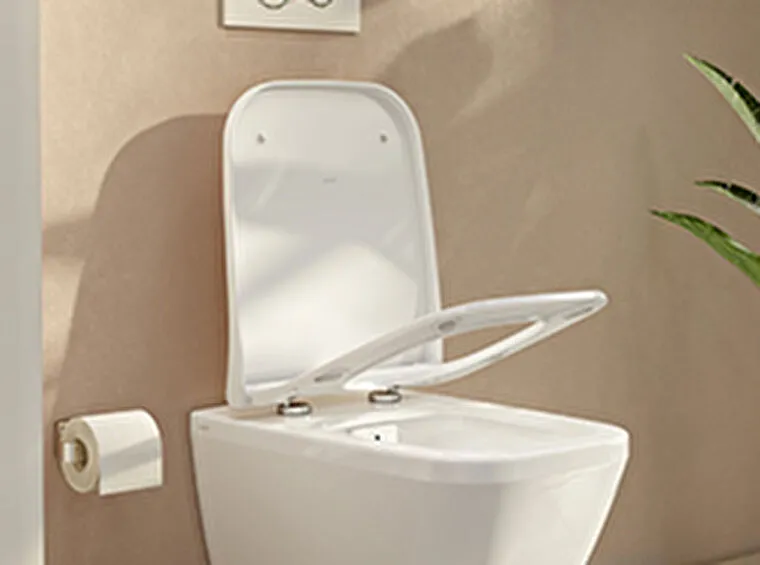


Integra WC Seat


Sento Soft-closing Slim WC Seat


Valarte Back-to-wall WC - 56cm


Plural WC Seat


Plural WC Seat


Plural WC Seat


S50 Back-to-Wall WC


Plural Rim-ex Wall-Hung WC


Zentrum WC Seat


Zentrum WC Seat


Sento Close-Coupled WC - 65 cm


Integra Back-to-Wall Toilet


V-Care Prime Wall-Hung WC


Sento Wall-Hung WC - 50 cm

Toilets
Choosing the right Toilets shapes how your bathroom feels and functions every single day. Whether you are updating a family bathroom in Manchester, fitting out a compact London en‑suite, or planning a full UK bathroom renovation, the toilet you select affects comfort, cleaning routines, flush control and long‑term reliability. VitrA Toilets are designed with precision ceramic production, advanced flushing systems and durable glazes that stand up to busy households and hard water conditions across the UK.
Across this page, you will find clear guidance on toilet types UK homeowners prefer, practical installation advice and measurable benefits such as 4/6 litre dual flush performance, rimless hygiene and WRAS-compliant fittings. You can compare configurations, understand projection depths for small spaces and confidently buy toilet online UK knowing what suits your layout.
Toilet Types For Every UK Bathroom Layout
Before you choose among modern toilet designs, it helps to understand the main configurations used in British homes. Soil pipe position, waste outlet direction and available floor space influence which bathroom toilet options will work without costly alterations.
The most common toilet types UK properties use include:
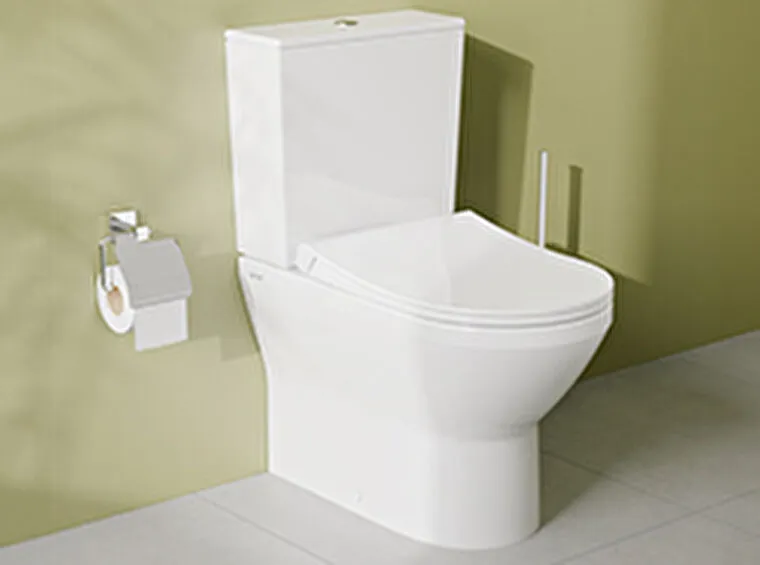
- Close coupled Toilets – The cistern sits directly on the ceramic toilet pan, forming one visible unit. This design suits straightforward replacements where the existing soil pipe position remains unchanged. Typical projection ranges from 600–650mm, with compact toilet solutions available at around 600mm or less.
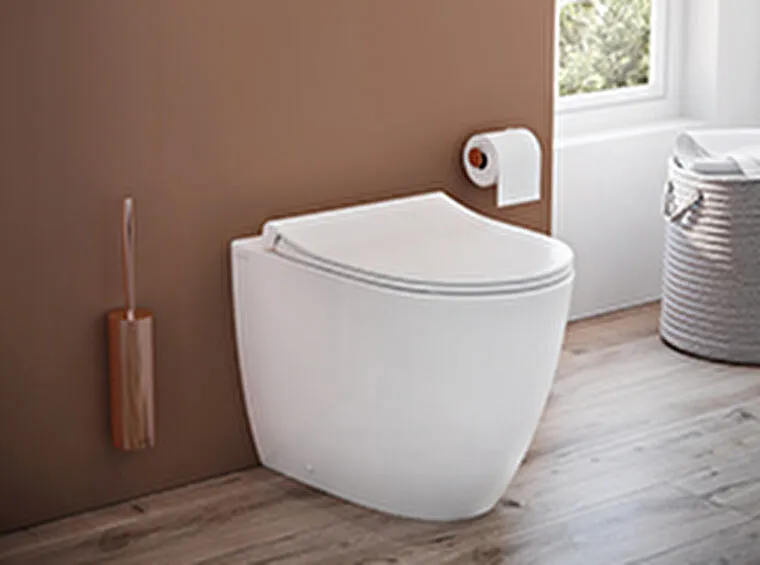
- Back to wall Toilets – The pan sits flush against the wall or furniture unit, while the cistern is concealed inside a cabinet or stud wall. This creates a streamlined finish and hides pipework. Projection can be shorter than traditional models, making them popular for cloakrooms.
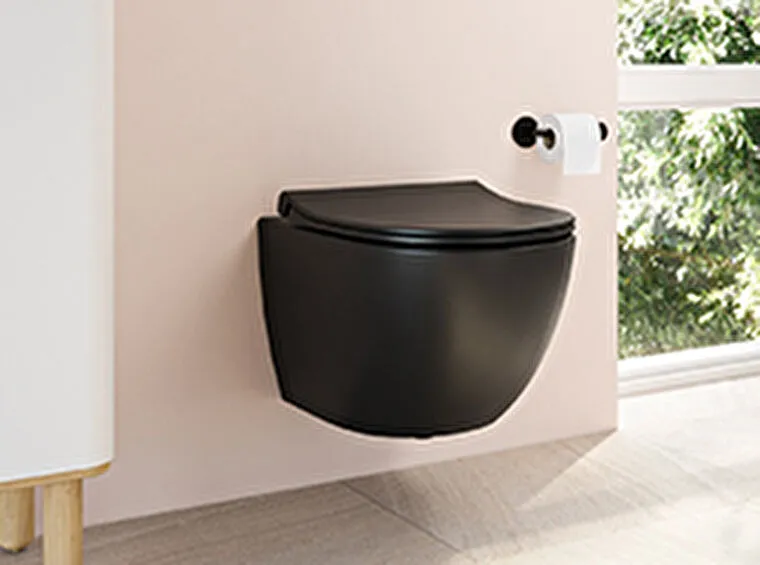
- Wall mounted WC pans – Also known as wall hung designs, these fix to a concealed frame system inside the wall. The pan floats above the floor, usually with projections between 480–560mm, ideal for space saving toilet design. If you are considering this floating style, explore a dedicated wall hung toilet range for clean floor lines and easier mopping.
- Floor standing pans with concealed cistern – These combine the stability of a floor-fixed pan with a hidden tank, often used in fitted furniture installations.
Waste outlet type matters. A P-trap exits horizontally into the wall, while an S-trap connects vertically into the floor. Many UK homes use P-trap connections, though older properties may vary. Always check your existing setup before ordering.
Compact bathrooms demand careful measurement. Short projection models reduce how far the toilet pan extends into the room, which improves circulation space in en‑suites or under‑stairs cloakrooms. When planning UK bathroom renovation toilets, measure from the finished wall to the front of the pan and allow for door swing and basin clearance.
VitrA Toilets are manufactured from high-grade ceramic toilet pans with smooth, durable glazes that resist staining and limescale. This is particularly important in hard water regions such as the South East, where mineral build-up can affect performance over time.
Close Coupled, Wall Hung And Back To Wall Toilet Models
When comparing bathroom toilet options, think in practical terms. How complex is the installation? How visible do you want the cistern? How easy will it be to service in five or ten years?
A close coupled toilet remains one of the most popular choices in the UK. The pan and cistern connect as a single unit, which simplifies fitting and suits like‑for‑like replacements. You can browse a dedicated close coupled toilet selection for traditional and modern WC suite styles.
Key features often include:
- Dual flush toilet 4/6 litre systems – The smaller 4 litre flush handles light waste, while 6 litres handles full flush needs. This meets UK flush volume requirements without compromising performance.
- Rimless toilet pan technology – Water flows evenly around the bowl without a hidden rim, reducing areas where bacteria and limescale collect. Cleaning becomes quicker and more thorough.
- Soft-close seats with quick-release hinges – Seats close quietly and can be removed for deep cleaning. This detail makes a noticeable difference in family homes.
In contrast, a back to wall toilet UK homeowners choose for modern schemes conceals the cistern within furniture or a false wall. Only the pan remains visible. This design pairs well with fitted vanity units and coordinated bathroom furniture ranges. Maintenance access is usually through the flush plate or a removable panel.
A wall mounted WC offers a more architectural look. Because the cistern and frame sit inside the wall, the floor remains uninterrupted. This simplifies cleaning and creates a sense of openness, particularly in smaller rooms.
Typical seat heights in the UK range from 400–420mm from floor to seat top. Comfort height models increase this to around 450mm, which many taller users or those with mobility concerns find easier to use.
Choosing between these Toilets often comes down to installation context. Replacing an existing suite with minimal disruption usually points to close coupled. A full renovation with new stud walls opens the door to wall hung or back to wall designs.
Wall Hung Toilets For Contemporary Bathrooms
Wall hung toilets are increasingly specified in new-build homes and high-end refurbishments. The pan fixes to a concealed frame system that sits within a stud wall or purpose-built boxing. Once tiled, only the ceramic pan and flush plate remain visible.
The concealed frame system carries the load. Quality frames are engineered and tested for high weight limits, often exceeding 400kg static load. Adjustable legs allow installers to set the finished seat height precisely before tiling. This flexibility is helpful when working with bespoke floor finishes or underfloor heating.
Advantages of wall hung toilets include:
- Clear floor space that makes mopping easier
- Concealed pipework for a neater appearance
- Adjustable installation height
- Compatibility with modern flush plates in chrome, black or brushed finishes
Because installation requires wall preparation, wall hung toilets suit planned renovations rather than quick swaps. VitrA Toilets in wall mounted formats are produced with precision ceramic techniques that ensure consistent dimensions, helping installers align pans accurately with frame fixings.
When correctly installed with WRAS-compliant fittings and dual flush mechanisms, these Toilets deliver reliable performance for years. Servicing typically occurs through the removable flush plate, providing front access to key components.
Back To Wall Toilets With Concealed Cistern
A back to wall toilet gives you a streamlined look without lifting the pan off the floor. The cistern sits hidden behind furniture or within a false wall. Only the ceramic toilet pan remains on display, which keeps the visual focus clean and simple.
This type of modern WC suite works especially well with fitted bathroom cabinetry. You can align the pan with vanity units and tall storage columns to create a cohesive run along one wall. Projection depths vary, though many compact toilet for small bathroom designs reduce how far the pan extends into the room.
Benefits of a concealed cistern toilet include:
- Reduced visual clutter as pipework and tank are hidden
- Quieter flushing due to insulation within furniture or walls
- Compatibility with dual flush mechanism 4/6 litre systems
- Easy cleaning around the base when designed with smooth contours
Maintenance access is usually provided via the flush plate or a discreet service panel. High-quality concealed tanks are tested for thousands of flush cycles, which reassures homeowners concerned about long-term reliability.
If you prefer a visible cistern for easier direct access, a close coupled toilet remains a practical alternative. The right choice depends on how much alteration you plan during your UK bathroom renovation toilets project.
Installation Options: Concealed Cisterns And Frames
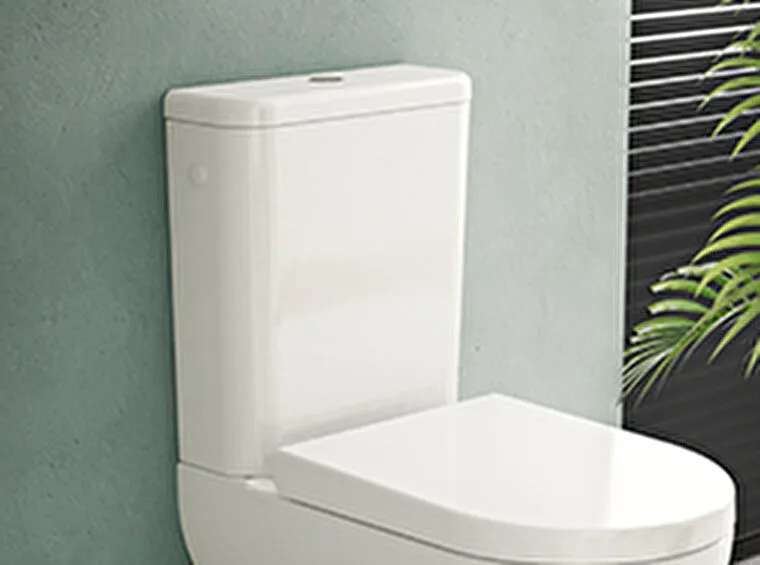
Understanding the difference between exposed cisterns and concealed systems helps you plan accurately. Standard close coupled Toilets feature an exposed ceramic cistern fixed directly to the pan. Installation is straightforward, and servicing is simple as all components remain accessible from above.
A concealed cistern, by contrast, sits within a stud wall or furniture unit. Only the flush plate or push button shows externally. This approach suits back to wall designs and all wall mounted WC installations.
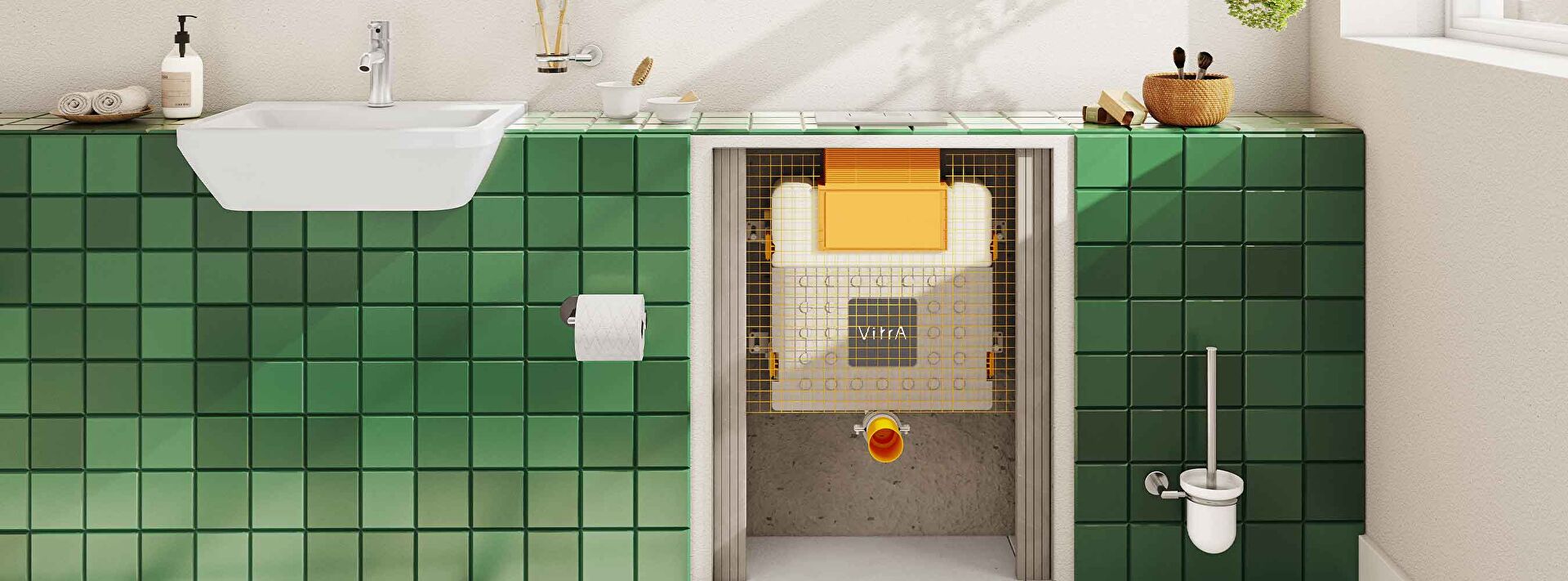
Key elements of a toilet frame system include:
- Adjustable steel frame – Fixes to floor and wall with bracket points, allowing height adjustment before final finishing.
- Integrated in wall toilet cistern – Houses the dual flush mechanism and inlet valve within a protective casing.
- Front access servicing – Components can be reached through the flush plate opening, reducing the need to remove tiles.
- Acoustic insulation – Minimises flush noise and vibration transfer to adjacent rooms.
Many UK buyers worry about leaks behind tiles. High-quality concealed cistern units are factory-tested for thousands of flush cycles and pressure performance. When installed correctly with WRAS-approved fittings, reliability matches or exceeds exposed systems.
VitrA Toilets and compatible frame systems are engineered for range-wide compatibility. This simplifies specification for installers and reduces the risk of mismatched components. For you, that means fewer complications during fitting and clearer aftercare support.
If you are buying toilet online UK, review installation requirements carefully. Confirm wall construction type, available depth and soil pipe position before ordering. Accurate measurements prevent delays and unexpected costs.
Smart Toilet And Hygiene-Focused Technology
As bathroom design continues to evolve, hygiene and comfort technology are becoming more important to UK homeowners. A modern smart toilet integrates advanced features such as integrated bidet functions, adjustable water temperature, air drying and touch-free flushing.
These models are designed to enhance personal hygiene while reducing the need for additional fixtures. Many smart designs include soft ambient lighting, deodorising systems and standby modes. For households focused on accessibility or enhanced comfort, remote controls and programmable user settings provide added convenience.
Hygiene-focused technology also includes rimless bowl design, antibacterial glazes and powerful yet efficient flush systems. Combined with dual flush 4/6 litre performance, these innovations let you match each flush to the load while maintaining high standards of cleanliness.
Selecting Toilets is not only about appearance. It is about projection depth, flush volume, ceramic quality and installation method. VitrA Toilets combine durable ceramic toilet pans, rimless flushing technology and dual flush systems that meet modern UK expectations. When you are ready to compare bathroom toilet options, explore the full range and choose a solution that fits your space, installation plan and daily routine with confidence.
Frequently Asked Questions About Toilets
What Is The Best Type Of Toilet For A Small Bathroom In The UK?
For compact bathrooms or cloakrooms, a short projection close coupled or a wall mounted pan is usually the best option. Short projection models reduce how far the pan extends into the room, while wall mounted designs keep the floor clear and make the space feel larger. Always check the soil pipe position and available wall depth before choosing. Measuring carefully before ordering prevents costly adjustments during installation.
Are Rimless Toilets Better Than Standard Rimmed Pans?
Rimless designs allow water to flush evenly around the bowl without a hidden rim, reducing areas where bacteria and limescale can build up. This makes cleaning easier and can improve hygiene. They are now common in modern UK bathrooms and usually work with dual flush systems for flush selection. Flush performance depends on correct installation and water pressure, so professional fitting is recommended.
How Do I Know If I Need A Concealed Cistern Frame?
You will need a frame if you are installing a wall mounted pan, as the frame supports the weight and houses the cistern inside the wall. For back to wall models, you may only need a concealed tank without a full-height frame, depending on the setup. Check whether you have a solid wall or a stud partition, as this affects installation method. Access for maintenance is normally provided through the flush plate opening.
What Height Should A Toilet Be Installed At?
Standard seat height in the UK is typically around 400–420mm from floor to seat top. Comfort height models are slightly taller, usually around 450mm, and can be more comfortable for taller users or those with limited mobility. Wall mounted pans allow height adjustment during installation, which is useful in bespoke renovations. Always confirm finished floor level before fixing the pan in place.


