







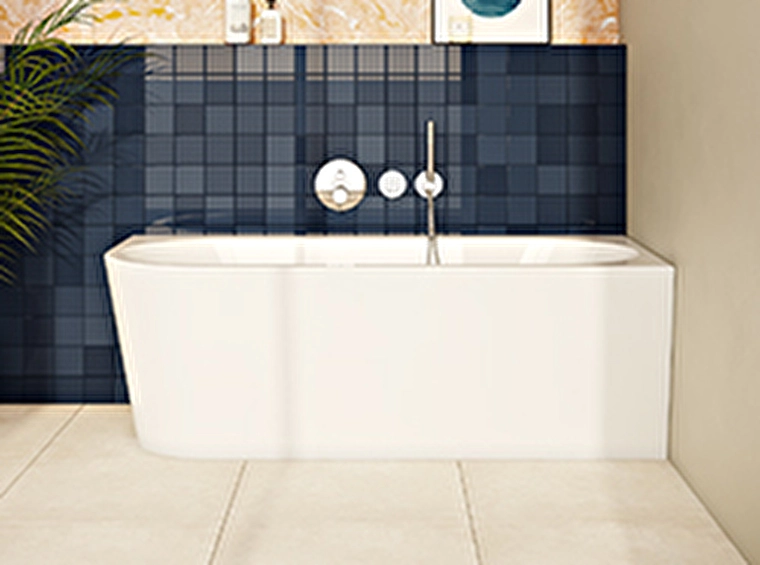
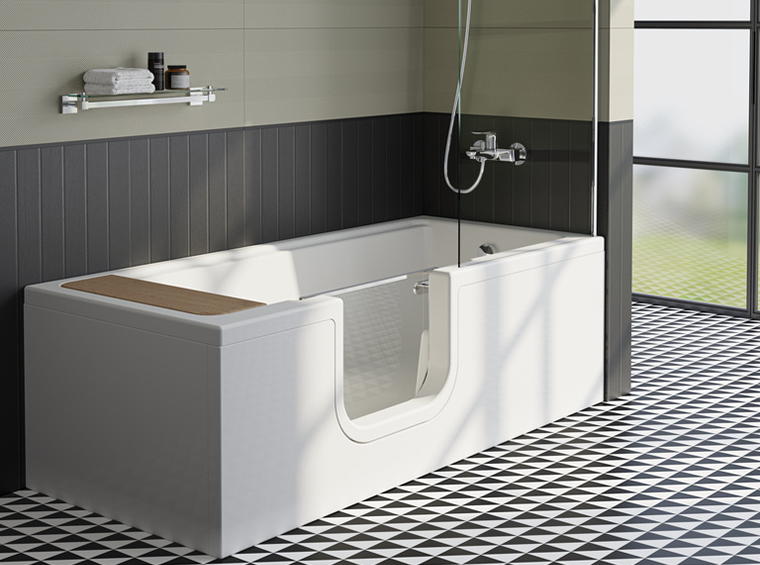


Neon Rectangular Bathtub


Water Jewels Free-Standing Bath


Neon Double Ended Bathtub


Neon Rectangular Bathtub


Neon Rectangular Bathtub


Geo Bathtub


Geo Bathtub


Geo Bathtub


Geo Bathtub


Geo Bathtub


Geo Bathtub


Cocoon Bath - 160 x 80cm

Bathtubs
A well-chosen bathtub changes how you experience your bathroom every single day. It becomes the place where you slow down after work, warm up on a winter evening, or make space for a calm weekend routine. At VitrA, Bathtubs are designed for UK homes that value reliability, clean lines, and long-term performance. Whether you are renovating a family bathroom or updating a compact en-suite, you will find bath tubs UK homeowners trust for comfort, durability, and precise installation standards.
On this page, you can explore different types of Bathtubs, understand which sizes suit your layout, and compare materials such as reinforced acrylic. You will see how details like waste position, panel compatibility, and floor strength influence your decision. Choosing the right configuration early helps you avoid costly plumbing changes later. With VitrA Bathtubs, you invest in a product that supports daily life with quiet confidence and consistent quality.
Types Of Bathtubs For Different Bathroom Layouts
Every bathroom layout brings its own constraints. Alcove recesses, loft conversions, narrow terraced homes, or spacious new builds all require different Bathtubs. In the UK market, four main types dominate: freestanding, fitted or built-in, back-to-wall, and shower baths. Each option affects plumbing routes, waste positioning, and floor support.
Before selecting your model, consider these key factors:
- Room footprint and wall configuration
A standard rectangular bath 1700 x 700mm fits most three-wall alcove spaces. Smaller 1500mm lengths suit compact bathrooms, while 1600mm options balance comfort and space. Centre-of-room installations require clear circulation space on all sides. - Plumbing and waste location
If your waste pipe sits at a specific end, choose a bath with matching waste orientation. Moving pipework increases labour costs and may require boxing-in. - Floor structure and load capacity
Timber joists must support the filled bath weight, often exceeding 200–300kg including water and user. This is especially important for a freestanding bath UK homeowners install on upper floors. - User profile and daily routine
Families often prefer built-in models for easier access and screen compatibility. En-suites may benefit from space-saving layouts. Loft conversions require careful measurement under sloped ceilings.
If you are planning a compact layout or alcove installation, consider a built in bath to maximise wall-to-wall space and simplify plumbing.
VitrA Bathtubs are manufactured in acrylic constructions known for smooth surfaces, consistent thickness, and reliable quality control. This ensures predictable installation dimensions, which is critical in UK properties where recess sizes are often fixed.
Choosing the correct bath type at the start of your renovation protects your budget. You reduce the risk of repositioning pipes or adjusting tiled walls later. That clarity makes the entire project more manageable.
Freestanding Bathtubs
Freestanding bathtubs create a strong visual presence. They stand independently and allow access from multiple sides. This makes them ideal for larger bathrooms or centre-of-room layouts where the bath becomes a focal point.
A typical freestanding bath 1700mm long offers generous bathing depth. Oval bath tub shapes provide ergonomic back support and soften the overall look. Many homeowners searching for a luxury bath UK style choose modern freestanding tub designs for their sculptural quality.
When selecting freestanding bathtubs, keep these points in mind:
- Tap configuration
You usually need a floor-mounted filler or wall-mounted tap. Pipe routes must be planned beneath the floor or inside the wall before installation. - Floor strength and weight
Filled weight can exceed 300kg. Timber floors require joist checks to ensure structural integrity. - Material and heat retention
Acrylic bath tubs are lighter than stone or composite alternatives. Reinforced acrylic improves insulation and helps retain water warmth for longer soaks. - Waste alignment
The waste outlet must align precisely. Some installations require a slightly raised floor to conceal pipework.
Freestanding Bathtubs suit master bathrooms and open-plan layouts where you have circulation space around the bath. They offer flexibility in positioning, yet they demand careful planning. If you want visual impact without compromising installation reliability, modern freestanding tub options in acrylic provide a balanced solution.
Built-In And Alcove Bathtubs
Built-in and alcove bath UK installations remain the most common choice in British homes. Many properties are designed around a standard size bath of 1700 x 700mm. This dimension fits neatly between three walls, making tiling straightforward and pipework discreet.
A built-in bath tub integrates into the structure of the room. It often includes a bath with panel at the front and optional end panel for a seamless finish. VitrA offers compatible panels designed to align precisely with their Bathtubs, which simplifies installation.
Key advantages include:
- Efficient use of space
A rectangular bath 1700 x 700mm maximises length within a fixed recess. Smaller 1500mm models suit compact layouts or secondary bathrooms. - Simple tap positioning
Wall-mounted or deck-mounted taps are easier to align. Plumbing adjustments are minimal when replacing an existing bath. - Family-friendly access
The stable, three-wall configuration feels secure. It works well for households with children. - Panel flexibility
Front and end panels conceal pipework neatly. This reduces the need for custom boxing.
If your priority is practicality and predictable installation, built-in solutions offer clarity. They reduce structural surprises and fit easily within UK-standard layouts.
Shower Baths And Space-Saving Bathtubs
Not every home has room for a separate shower enclosure. In that case, shower bath models provide a practical bath shower combination. Designs such as P shaped bath or L shaped bath expand at one end to create additional elbow room for showering.
These Bathtubs usually follow a standard footprint of 1700mm length, yet they widen at the shower end. This ensures better comfort while maintaining compatibility with existing recess dimensions.
Important considerations include:
- Bath screen compatibility
Choose a model designed for curved or straight screens. Proper sealing prevents leaks along the joint. - Slip resistance and base support
Reinforced bath tub bases reduce flex. A stable surface feels more secure during shower use. - Correct fall towards the waste
The bath must be installed level with appropriate fall to ensure efficient drainage. - Tap and mixer selection
A suitable bath shower mixer ensures water pressure consistency. Confirm compatibility with your system.
For smaller properties or renovations where space is limited, a small bathroom bath in P-shaped or L-shaped form offers versatility. You gain showering comfort without sacrificing a full-length soak.
Bathtub Materials, Finishes And Build Quality
Material choice determines how your bath feels, sounds, and performs over time. In the UK, acrylic bath tubs are widely preferred due to their balance of weight, insulation, and cost efficiency. VitrA Bathtubs are produced using quality-controlled acrylic processes to ensure consistent thickness and smooth surfaces.
There are important differences between constructions:
- Standard acrylic bath
Lightweight and warm to the touch. Suitable for many domestic applications. Easier to handle during installation. - Reinforced bath tub
Includes additional baseboard reinforcement. This reduces flex and minimises noise when filling. Ideal for daily family use. - Composite constructions (general market reference)
Heavier and often more rigid. They may retain heat well yet require stronger floor support.
Surface finish also matters. In the UK, white bath finish options dominate. A high gloss bath surface reflects light, which helps brighten smaller rooms. Smooth, non-porous finishes resist staining from common household products and are easier to clean.
Thickness and base reinforcement influence stability. A properly reinforced base reduces vibration when water flows in. That subtle difference becomes noticeable in everyday use. You experience a quieter fill and a more solid underfoot feel.
VitrA Bathtubs are known for smooth contours and consistent moulding quality. Precision manufacturing supports reliable installation tolerances, which installers appreciate. When dimensions remain accurate, panel alignment and tiling transitions look cleaner.
Durability is not only about strength. It is also about maintenance. An easy clean bath surface reduces the effort required for weekly care. Most acrylic baths can be cleaned with a soft cloth and non-abrasive cleaner. This protects the gloss and extends the visual life of the bath.
If you are replacing an older steel model, you may notice that reinforced acrylic feels warmer initially. That comfort improves the bathing experience without increasing water temperature. Over time, that difference contributes to everyday satisfaction.
Pairing your bath with quality bath taps ensures consistent water flow and long-term reliability.
Bathtub Sizes And Dimensions Guide
When you compare Bathtubs for your renovation, focus on size accuracy, reinforced construction, and installation compatibility. VitrA offers a considered range tailored to UK standards. You can review freestanding bath UK options for statement layouts, select a built-in bath for alcove spaces, or choose a shower bath for multi-use rooms. By aligning dimensions, waste position, and floor capacity from the beginning, you avoid unexpected site adjustments.
Common UK bath dimensions include 1700 x 700mm as a standard reference point, 1600mm lengths for slightly tighter rooms, and 1500mm models for compact layouts. Wider options such as 750mm or 800mm increase shoulder room where space allows. Always measure finished wall-to-wall distance and allow tolerance for tiling, adhesive, and panel thickness.
Depth is equally important. A deeper bath provides a more immersive soak but requires careful consideration of overflow position and step-in height. Households with children or elderly users may prefer moderate depth combined with anti-slip surfaces.
Door access should never be overlooked. Measure stairwells, hallway turns, and door widths before ordering. Even standard acrylic models require adequate clearance during delivery and positioning.
Coordinate with the rest of your sanitary ware to maintain consistent proportions and clearances.
Frequently Asked Questions About Bathtubs
What Is The Standard Bath Size In The UK?
The most common size is 1700mm long by 700mm wide, which fits typical alcove spaces in UK homes. Smaller options such as 1500mm are used in compact bathrooms, while wider or deeper models suit larger rooms. Always measure wall-to-wall after tiling allowance and check door access before ordering.
Are Acrylic Baths Durable Enough For Everyday Family Use?
Yes, reinforced acrylic models are widely used in family bathrooms. They are lightweight, retain heat better than steel, and resist staining. Choosing a version with a reinforced baseboard reduces flex and improves long-term stability.
Can I Replace My Old Bath Without Moving The Plumbing?
In many cases, yes if you select a model with the same length, width, and waste position. Check whether the waste is at the same end and confirm tap hole configuration. If dimensions differ slightly, pipework adjustments may be required.
Do I Need A Special Tap For A Freestanding Bath?
Freestanding designs usually require either a floor-mounted filler or a wall-mounted tap, depending on layout. You need to plan pipe routes under the floor or inside the wall before installation. Always confirm water pressure compatibility with the chosen tap.


