






Shower & Bath Areas

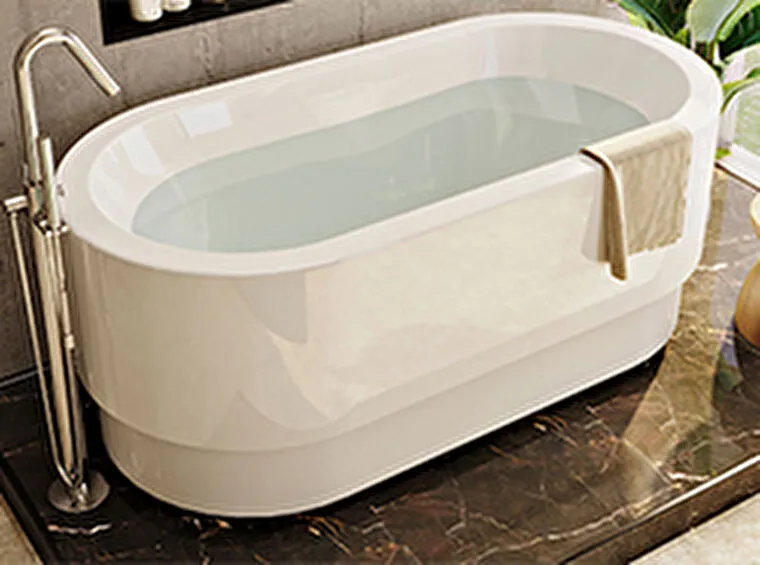


Neon Rectangular Bathtub


Water Jewels Free-Standing Bath


Neon Double Ended Bathtub


Neon Rectangular Bathtub


Neon Rectangular Bathtub


Leaf Leg Set for Flat Shower Tray

Shower & Bath Areas
Your bathroom sets the pace for your day. It is where you wake up, reset, and switch off in the evening. With VitrA Shower & Bath Areas, you create a space that works around your routine, your layout, and the way you live. From compact shower enclosures to full-length baths and coordinated brassware, every component is engineered to fit together with clarity and precision.
Within this category, you will find baths, shower systems, trays, mixers, wastes and complementary fittings designed to integrate seamlessly. Whether you are planning a full UK bathroom renovation or upgrading specific bathroom installation products, choosing compatible elements from one trusted manufacturer simplifies installation and future maintenance. It also ensures that finishes, dimensions and technical standards align from day one.
Shower & Bath Areas For Modern UK Bathrooms
When planning Shower & Bath Areas, most UK homeowners start with a simple question: do you need a dedicated shower enclosure, a bath with an overhead shower, or a combined layout? The answer depends on available floor space, plumbing positions and household needs.
In practical terms, a well-designed shower and bath setup includes coordinated components that function as a single system.
- Baths – built-in models in 1500mm and 1700mm lengths, reinforced acrylic shells, compatible front and end panels, and integrated waste positions designed for UK plumbing standards.
- Shower systems – exposed bar mixers, concealed shower valves, overhead rain heads and adjustable handsets, often supplied as a complete shower system.
- Shower trays and wastes – low-profile trays in sizes such as 800x800mm or 1200x800mm, with efficient drainage and slip-resistant surfaces for safer use.
- Brassware and mixers – thermostatic shower mixers, bath fillers, bath shower mixers and coordinated finishes such as chrome.
- Complementary fittings – shower screens, bath panels, overflow kits and compatible fixings that support reliable installation.
Water pressure plays a key role in bathroom shower solutions. If your home runs on a combi boiler, you typically benefit from higher, more consistent pressure. Gravity-fed systems may require specific valves or pumps to achieve a satisfying flow. Checking minimum bar requirements before selecting a high pressure shower UK setup prevents disappointment later.
Ventilation and drainage also matter. UK Building Regulations require adequate extraction to control moisture, especially in walk-in shower and bath layouts. Proper falls towards the waste and suitable trap depth protect against odours and standing water. By selecting coordinated VitrA shower and bath components, you reduce the risk of mismatched threads, incompatible fixings or uneven finishes.
VitrA is known for durable sanitaryware and precise engineering. Collections are designed so baths, showers and brassware share consistent proportions and finishes. This approach simplifies spare parts sourcing and aftercare. If you ever need a replacement cartridge or waste cover, you know exactly where it comes from.
Types Of Shower & Bath Areas And Layout Options
Every home has its own footprint. Victorian terraces, new-build apartments and suburban family houses all present different constraints. Understanding common configurations helps you choose realistic bathroom floor plan ideas before you commit to tiles or pipework.
Typical layouts in UK homes include:
- Alcove bath installation – a built in bath fitted between three walls, usually 1700mm long and 700–750mm wide. This remains the most common family bathroom with bath and shower arrangement.
- L-shaped shower baths – wider at one end to create more elbow room under a shower screen. Ideal for small bathroom shower layout projects where a separate enclosure is not possible.
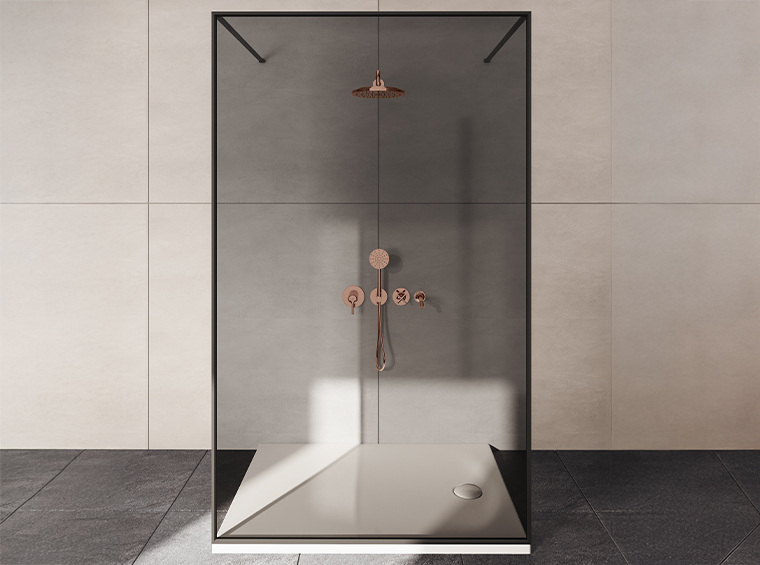
- Walk-in shower zones – paired with a low-profile tray, often 1200x800mm or larger. These suit rectangular rooms where you can dedicate one wall to a shower area.
- Wet room-style spaces – level access floors with integrated drainage, suitable where structural depth allows correct falls and waterproofing layers.
Room size directly affects your choice of bath tub options. In tighter rooms, a 1500mm small bathroom bath can free up 200mm of circulation space. That difference often determines whether you can fit a vanity unit or taller storage cabinet. In more generous rooms, a full 1700mm or 1800mm bath offers greater comfort for adults.
Moving soil pipes or waste outlets increases costs quickly. If your existing waste exits through an external wall, relocating it to the centre of the floor for a freestanding bath requires additional labour and possibly floor reinforcement. It is usually more cost-effective to design Shower & Bath Areas around existing drainage points where possible.
Safety deserves attention. Look for slip-resistant shower tray surfaces and consider step-in height. A low-profile tray of around 25–45mm makes access easier for children or older users. Reinforced bath bases reduce flexing over time, protecting seals and tiles from cracking.
Freestanding Shower & Bath Areas With Feature Baths
A freestanding bath creates a strong visual statement, particularly in larger bathrooms with clear floor space around the tub. In these Shower & Bath Areas, circulation space of at least 100–150mm around the bath edge allows for cleaning and comfortable movement.
Freestanding bath UK installations require careful plumbing planning. Waste pipes often rise through the floor, and you may need a floor-mounted or wall-mounted bath filler. Upper-floor installations must consider weight. A filled oval freestanding tub can exceed 250–300kg including water and user weight, so floor structure should be assessed in advance.
Material quality affects durability and maintenance. Many contemporary bath design models use high-grade acrylic with a gloss finish that resists staining and is easy to wipe clean with a non-abrasive cloth. Reinforced bases provide stability and reduce movement during use. You can explore dedicated freestanding bath options to see how dimensions and shapes influence layout decisions.
These luxury bathroom bath solutions work best when the room allows balanced proportions. In compact rooms, cleaning behind the bath and managing splashes can be less convenient.
Built-In Shower & Bath Areas For Compact Spaces
In most UK homes, a built-in solution remains the practical choice. A built in bath fits neatly between walls and integrates with tiled surfaces or fitted panels. For small bathroom bath projects, this approach maximises every millimetre.
Common features of fitted bath with panel installations include:
- Standard UK sizes – 1500mm or 1700mm lengths, typically 700–750mm wide, designed to align with common wall-to-wall dimensions.
- Front and end panels – removable panels for maintenance access, available in clean finishes that coordinate with sanitaryware.
- Bath with shower over – wall-mounted shower, glass screen and thermostatic mixer to create a dual-purpose zone without extra floor area.
- Reinforced acrylic construction – lightweight yet rigid shells that maintain shape over time.
Accurate measuring is essential. Always measure between finished walls after plasterboard and tiles are installed, not from bare brick. Even a 10mm discrepancy can affect fit. Space-saving bath models can help where door swings or radiators restrict layout.
A well-planned built-in solution often proves easier to maintain in family homes.
Choosing The Right Shower System And Controls
The shower system defines your daily experience. Within Shower & Bath Areas, you can select from exposed bar mixers, concealed shower valves or a complete shower system with overhead heads and handsets.
- Exposed bar mixers – surface-mounted, straightforward to install and ideal for retrofit projects.
- Concealed shower valve – hidden pipework behind the wall, leaving only control plates visible for a streamlined appearance.
- Complete shower system – includes overhead rain head, adjustable riser rail, handset and integrated diverter to switch between outlets.
- Basic handset kit – simpler setup with a single spray head, suitable for budget-conscious upgrades.
A thermostatic option is strongly recommended in family homes. A thermostatic shower mixer keeps water temperature stable even if someone runs a tap elsewhere. This anti-scald protection is particularly valuable where children or elderly users are present.
Compatibility with your boiler is essential. High pressure shower UK systems typically require a minimum pressure, often around 0.5 to 1.0 bar or higher depending on the model. Always check specifications before purchase. Selecting VitrA shower and bath fittings means you benefit from quality cartridges and durable finishes such as chrome, designed to resist corrosion in humid conditions.
When you plan Shower & Bath Areas with VitrA, you simplify the process from specification to installation. Coordinated dimensions, reliable engineering and consistent finishes help you avoid common site issues. By reviewing measurements, pressure requirements and layout guidance in one place, you can move forward with clarity and confidence.
Frequently Asked Questions About Shower & Bath Areas
What Is The Best Option For A Small Bathroom – Bath With Shower Over Or Separate Shower Enclosure?
In most UK homes with limited space, a standard 1700mm or 1500mm bath with a shower screen and wall-mounted shower is the most practical solution. It gives you both bathing and showering without needing extra floor area. A separate enclosure works well if the room is at least 1700mm wide and plumbing allows it, though it usually costs more due to additional tray, enclosure and tiling.
Do I Need A Thermostatic Shower Mixer In A Family Bathroom?
Yes, in most cases a thermostatic mixer is strongly recommended. It keeps the water temperature stable even if someone runs a tap elsewhere in the house. This reduces the risk of scalding and makes showers more comfortable. For homes with children, elderly users or fluctuating water pressure, it is a sensible safety upgrade.
What Size Shower Tray Should I Choose?
Common sizes include 800x800mm for compact enclosures and 1200x800mm or larger for walk-in layouts. Measure the available space after wall finishes are considered, not just from bare walls. Also check that the waste outlet position lines up with your existing pipework to avoid extra plumbing costs. Larger trays provide more comfort but must suit overall room proportions.
Are Freestanding Baths Practical For Everyday Use?
They can be, provided there is enough space around the bath for cleaning and access. You will need suitable floor-standing or wall-mounted taps and correctly positioned waste plumbing. In smaller bathrooms, cleaning behind the bath and managing splashes can be less convenient. For family homes where space is tight, a fitted bath is often easier to maintain.


