






Flat Mirrors


Prime Flat Mirror, 60 cm


Plural Rotating Mirror


Sento Mirror - 120 cm


Sento Mirror - 50 cm


Sento Mirror - 60 cm


Sento Mirror - 80 cm


Sento Mirror - 100 cm


Equal Illuminated Mirror


Equal Illuminated Mirror


Equal Illuminated Mirror


Liquid Two-Tone Mirror

Flat Mirrors
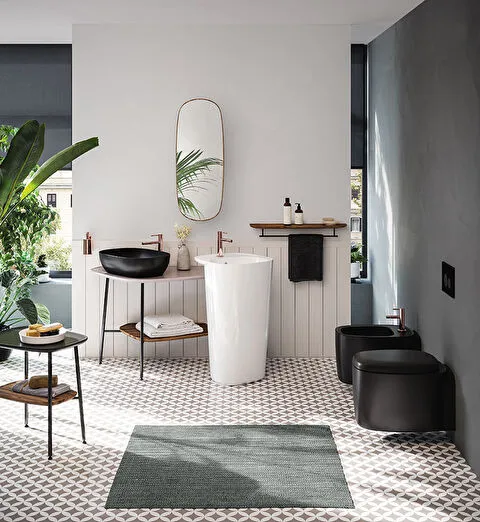
A well-chosen mirror shapes the way your bathroom feels every single day. VitrA Flat Mirrors are designed for wall-mounted installation without integrated storage, creating a clean, uninterrupted surface above your basin or vanity. If you are searching for a flat mirror UK homeowners trust for quality and proportion, this collection offers refined options that work effortlessly in modern interiors.
You are likely here because you want clarity. What is a flat mirror for a bathroom? How wide should it be? Will it suit a cloakroom or en-suite? On this page, you will find practical guidance, clear sizing advice and design insights drawn from real UK layouts. The VitrA flat mirror range brings together precision manufacturing, high-grade mirror glass and compatibility with VitrA sanitaryware, so your basin, furniture and mirror feel considered rather than accidental.
Flat Mirrors For Modern UK Bathrooms
In simple terms, Flat Mirrors are wall-mounted mirrors without cabinets or shelving behind them. They sit close to the wall and do not include concealed storage. Many homeowners choose a frameless wall mirror or rectangular bathroom mirror when they already have storage in a vanity unit or tall cabinet. This approach keeps the wall visually lighter and is particularly effective in smaller rooms.
A modern bathroom mirror of this type is typically installed above a basin or vanity. It reflects light, supports daily grooming and helps balance the proportions of the wall. The clean outline makes it popular for minimalist interiors, new-build properties and refurbished Victorian terraces where space is carefully planned.
Common reasons UK customers choose a flat mirror UK style include:
- Limited wall depth – In cloakrooms or narrow en-suites, a wall mirror without storage avoids projecting into the room, which makes movement easier.
- Dedicated furniture storage – If you already use a vanity unit with drawers, you may not need a mirror cabinet. A flat surface above keeps the look simple.
- Contemporary mirror design preference – Many homeowners prefer the uninterrupted lines of a frameless wall mirror for a sharper finish.
Within the VitrA flat mirror range, you will find options designed to coordinate with VitrA basins and furniture widths commonly used in UK homes. This alignment simplifies specification for both homeowners and installers. Mirror glass is manufactured with attention to clarity and edge finishing, supporting consistent reflection without distortion.
If you are exploring alternative formats such as cabinets or illuminated styles, you can browse the wider bathroom mirrors collection to compare layouts and features.
What Are Flat Mirrors And Where Do They Work Best?
You will often see searches such as “frameless bathroom mirror” or “rectangular bathroom wall mirror.” These usually refer to a flat mirror without integrated storage. The format works especially well in:
- Compact cloakrooms where every centimetre matters
- En-suites with a 500mm or 600mm basin
- Double basin arrangements where two horizontal wall mirrors can sit side by side
- Design-led bathrooms that favour a pared-back, architectural feel
By choosing a wall mounted flat mirror, you keep the visual focus on materials such as porcelain basins, ceramic finishes and furniture textures. VitrA’s design approach ensures the mirror feels like part of a coordinated scheme rather than an afterthought.
Flat Mirror Sizes And Shape Options
Selecting the right dimensions is often the most important decision. Flat Mirrors sizes in the UK market commonly include widths of 500mm, 600mm, 800mm and 1000mm. These measurements often correspond directly with standard basin and vanity widths, which makes planning more predictable.
As a practical rule, the mirror should be the same width as your basin or slightly narrower. Oversized installations can work, though they are usually chosen deliberately for a bold, design-led result.
Typical configurations include:
- Bathroom mirror 600mm wide – Ideal above a 600mm vanity unit in en-suites or family bathrooms with moderate wall space.
- Bathroom mirror 800mm wide – Frequently paired with larger vanity units, offering generous reflection for busy households.
- Large flat bathroom mirror (1000mm and above) – Suitable for double basin layouts or wider furniture arrangements.
- Small cloakroom mirror (500mm) – Designed for compact spaces where wall width is limited.
Orientation also matters. A horizontal wall mirror works well over double basins or wider furniture. A portrait rectangular flat mirror suits narrow walls between tall units or side walls in tight en-suites.
Round And Soft-Edged Options
While rectangular bathroom mirrors remain the most requested format, a round flat mirror can soften a layout dominated by straight lines. If your bathroom includes angular sanitaryware or squared tiles, introducing a circular shape creates contrast without adding complexity.
When deciding between shapes, consider:
- Ceiling height and available wall area
- Position of wall lights or ceiling downlights
- The width of the vanity unit beneath
- Whether you want to emphasise height or width visually
If you are pairing your mirror with furniture, explore the VitrA vanity unit collection. The VitrA flat mirror range is proportioned to align with standard UK furniture widths, which reduces guesswork during installation.
Design Details: Frame, Edge And Finish
The detail around the edge of your mirror changes the overall feel more than many people expect. A frameless mirror creates a crisp outline that blends into tiled or painted walls. This style is widely chosen for contemporary mirror design schemes where simplicity is key.
Some homeowners prefer a subtle frame. A black framed bathroom mirror, for example, can echo matt black taps or shower fittings. Metallic finishes may coordinate with brushed brass or chrome accessories, creating a consistent visual language across the room.
Key design distinctions include:
- Frameless mirror – Clean edge polishing, minimal visual weight, ideal for minimalist bathroom mirror layouts.
- Black or metallic frame – Defines the mirror shape clearly and links to taps, towel rails or shower profiles.
- Bevelled edge mirror – Adds a slight angled edge that catches light, offering subtle detail without a full frame.
Quality matters in humid environments. A bathroom wall mirror must resist edge blackening caused by moisture ingress. VitrA focuses on reliable mirror backing and precise finishing to support long-term clarity. In family bathrooms, edge polishing and safe installation are essential, particularly if children use the space daily.
To coordinate finishes across your room, you can review matching details in the bathroom accessories collection. Aligning metal tones and surface finishes helps the mirror feel intentional within the overall scheme.
Installing A Flat Mirror Above A Basin
Correct placement ensures comfort and balance. When planning Flat Mirrors installation, aim to position the centre of the mirror at approximately 1500mm from the finished floor level. This measurement suits the average adult height in the UK, though you can adjust slightly depending on your household.
You should also leave practical clearance above the basin or tap. This prevents splashing from reaching the lower edge of the mirror and supports easier cleaning.
Before fixing your mirror, consider:
- Wall type – Solid masonry walls require appropriate plugs and screws, while plasterboard may need specialist fixings or support battens.
- Weight of the mirror – Larger flat mirrors require secure wall fixing mirror systems rated for the load.
- Hidden services – Always check for concealed pipes or electrical cables before drilling.
- Alignment – Centre the mirror with the basin or vanity unit beneath for visual balance.
If you are reviewing mirror placement over sink arrangements, you may find it helpful to check compatible basin dimensions in the bathroom sink collection. VitrA mirrors are designed to pair with its basin ranges, which makes measurement and alignment more predictable during mirror installation UK projects.
A careful bathroom mirror fitting guide approach avoids future adjustments. When the proportions are correct, the room feels settled and considered.
Flat Mirror Vs Mirror Cabinet: Which Is Right?
Many homeowners ask whether to choose Flat Mirrors vs mirror cabinet solutions. The answer depends on how you use your space. A wall mirror without storage keeps the wall light and uncluttered. A mirror cabinet with storage adds concealed space for toiletries, medicines and grooming items.
If you are comparing options, consider the following:
- Visual depth – Flat Mirrors sit close to the wall, while cabinets project forward. In smaller bathrooms, this difference can influence how open the room feels.
- Storage needs – Family bathrooms often benefit from additional hidden compartments. Cloakrooms may not require them.
- Cleaning access – A simple flat surface is easy to wipe down. Cabinets introduce hinges and internal shelves that need maintenance.
- Budget planning – A minimalist bathroom mirror without storage is typically more cost-effective than a cabinet with integrated features.
If storage is required, compare your options with a bathroom mirror cabinet to assess capacity and projection. For those exploring small bathroom storage ideas, you can combine a flat mirror with drawer-based vanity units or wall-mounted shelves. VitrA’s broader furniture offering allows you to maintain a consistent design language, whether you select a flat mirror UK style or a cabinet solution.
The key is to match your daily routine. If you value a pared-back look and already have sufficient storage, a wall mounted flat mirror often feels right. If you prefer everything concealed behind mirrored doors, a cabinet may suit you better.
Cleaning And Maintaining A Flat Mirror
Keeping your mirror clear and streak-free helps maintain the overall appearance of your bathroom. Use a soft, lint-free cloth with a non-abrasive glass cleaner, and avoid spraying liquid directly onto the edges. Instead, apply cleaner to the cloth first to reduce the risk of moisture seeping behind the glass.
Regular ventilation is also important. Opening windows after showers or using an extractor fan reduces condensation, which can affect mirror longevity over time. Gently wiping away excess moisture supports long-term clarity and minimises the chance of edge deterioration.
For improved ventilation and coordinated fittings throughout the room, you can explore complementary bathroom furniture solutions designed to work alongside VitrA mirrors. Choosing compatible products across your layout helps create a cohesive environment that is both practical and visually balanced.
Frequently Asked Questions About Flat Mirrors
What Size Mirror Should I Choose For Above My Basin?
As a rule, keep the mirror the same width or slightly narrower than the basin or vanity unit. Common UK sizes are 600mm and 800mm wide. Make sure there is enough clearance above the tap and position the centre roughly at eye level. This keeps the proportions right and makes daily use comfortable for most adults.
Are Flat Bathroom Mirrors Suitable For Small Bathrooms?
Yes, they are often ideal for smaller rooms because they sit close to the wall and do not project into the space like a cabinet. A simple wall-mounted mirror can also help reflect light and make a compact cloakroom feel brighter. Just check that you have alternative storage if needed.
How High Should A Bathroom Mirror Be Fitted?
The centre of the mirror is usually installed around 1500mm from the finished floor level, but this can be adjusted depending on the height of the main users. Leave a practical gap above the basin or tap to prevent splashing. Always use appropriate fixings for the wall type to ensure it is secure.
Do Bathroom Mirrors Go Black Around The Edges Over Time?
Edge blackening can happen if moisture gets behind the glass and affects the backing. Choosing a quality product with proper protective coating and ensuring good bathroom ventilation reduces this risk. Wiping away excess condensation after showers also helps extend the life of the mirror.


