





What Are The Types of Bathroom Sinks?
VitrA's bathroom sink collection showcases a wide range of styles and functionalities, each catering to different design preferences and space requirements:
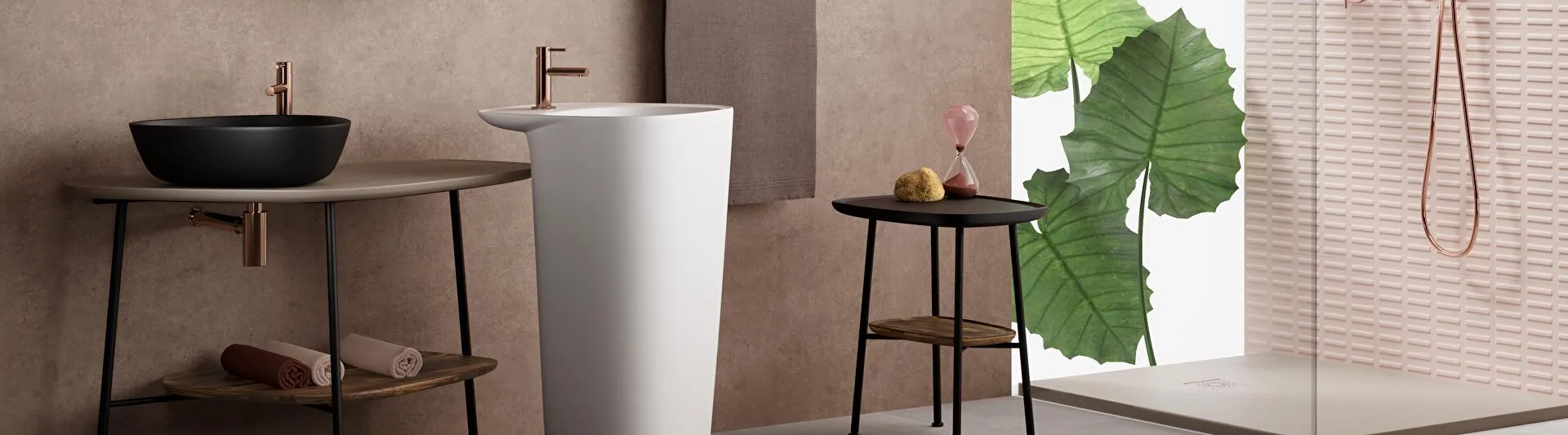
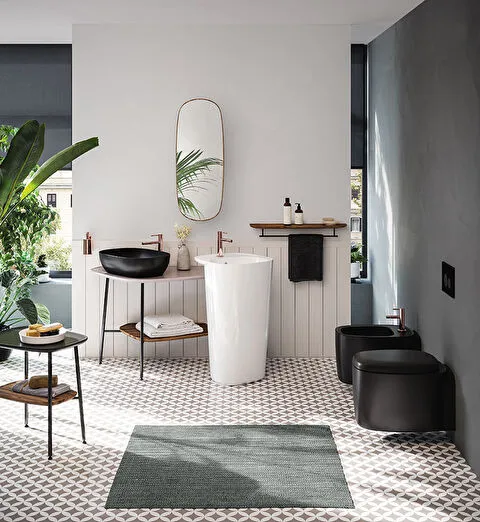
Bowls: These are standalone sink units that offer a modern, minimalist look. Perfect for creating a statement in any bathroom.
Vanity Washbasins: Integrated into a vanity unit, these sinks are ideal for bathrooms requiring additional storage space.
Wall-Hung: These sinks are mounted directly onto the wall, freeing up floor space and lending a sleek, contemporary feel.
Undercounter: Installed beneath the countertop, undercounter sinks provide a clean, streamlined look and maximize counter space.
Countertop: Sitting atop the counter, these sinks are versatile in design and easy to install, making them a popular choice.
Monoblock: Characterized by a single, integrated piece, monoblock sinks offer simplicity and elegance.
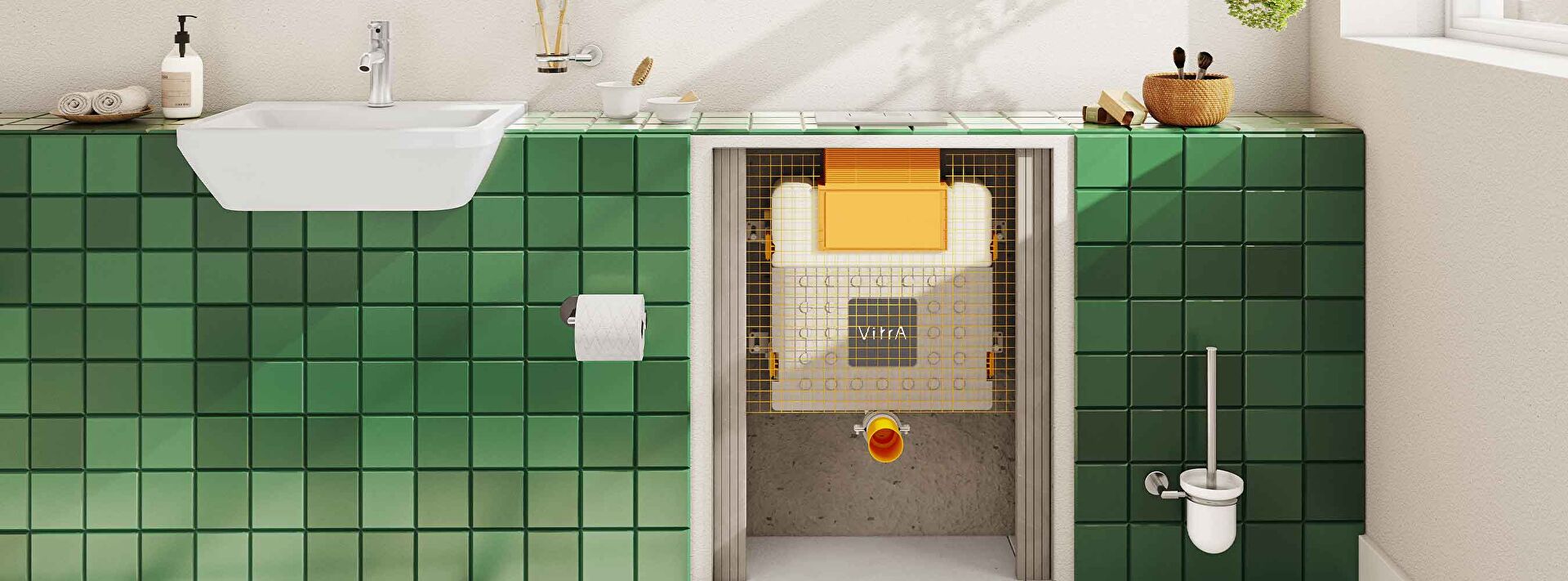
Semi-Recessed: These sinks are partially embedded into the counter, allowing for a unique design element and saving space.
Each type offers distinct advantages in terms of aesthetics, functionality, and space utilization, making it essential to consider your bathroom's layout and design before making a selection.
/bathroom-sink-2-01-1-.jpg)