





Urinals
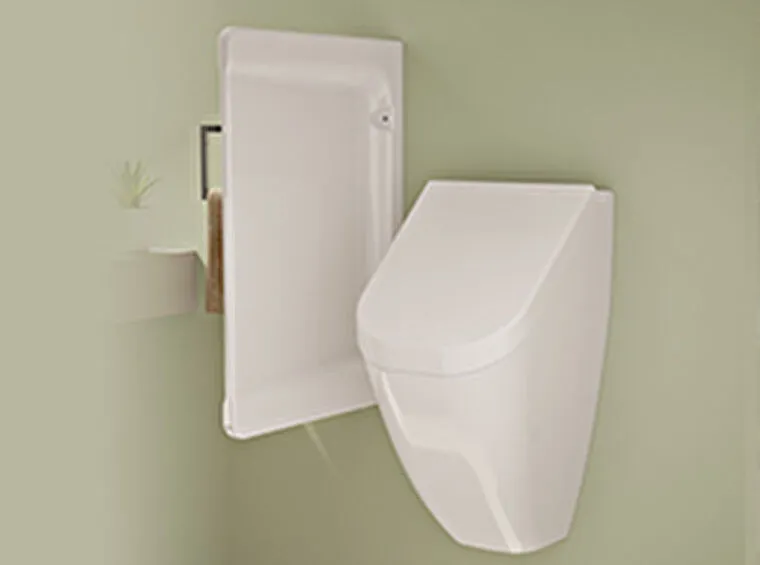


Arkitekt Divider


Plural Urinal


Plural Urinal with Touch-Free Flushing Mechanism


S20 Urinal


S20 Urinal


Plural Urinal with Touch-Free Flushing Mechanism


Liquid Urinal With Touch-Free Flushing Mechanism


Plural Urinal with Touch-Free Flushing Mechanism

Urinals
When you are planning a commercial washroom, the details matter more than you might think. The right urinals influence hygiene standards, maintenance routines, flush control and even how users perceive your space. VitrA urinals are developed for demanding environments across the UK, from schools and offices to hospitality venues and leisure centres.
This collection brings together durable vitreous china construction, smooth glazed surfaces that resist staining, and compatibility with modern flush systems. If you are specifying for a new build or upgrading public toilet urinals UK wide, you will find wall mounted ceramic models, space-saving projections and low-flush options designed to meet current regulations while remaining practical for daily use.
In the sections below, you can explore the VitrA urinal range in detail. You will see how different inlet configurations affect plumbing, why wall mounted solutions simplify cleaning, and how low-flush urinal systems keep washroom operation predictable over time. The aim is to help you choose confidently, whether you manage a single site or oversee multiple commercial refurbishments.
Understanding Urinals And Their Role In Commercial Washrooms
A wc urinal is a wall mounted sanitary fixture designed for efficient, hygienic use in male washrooms. In commercial environments, urinals support faster user turnover and free up cubicle space for accessible layouts. You will typically find them in high-traffic locations where reliability and ease of cleaning are essential.
Urinals differ from standard toilets in structure and water delivery. Most commercial urinal bowl designs connect to a concealed or exposed flush system and discharge through a dedicated trap and waste outlet. In the UK, ceramic urinal wall mounted units remain the most common choice due to their durability and straightforward maintenance.
Key characteristics you should consider include:
- Material: vitreous china ceramic
Fired at high temperatures, this material creates a dense, non-porous surface. It resists staining and odour absorption, making it suitable for public toilet urinals UK facilities require. - Surface finish: smooth white glaze
A high-quality glaze reduces bacteria build-up and simplifies cleaning with standard, non-abrasive products. - Installation type: wall hung
A wall hung urinal keeps the floor clear. This supports faster mopping and better hygiene control in busy washrooms.
The VitrA urinal range reflects these core requirements. Each ceramic urinal pan is engineered for long-term performance in demanding commercial settings.
Types Of Urinal For Commercial And Public Washrooms
Selecting the right urinals starts with understanding how they will be installed and used. In the UK, most projects specify wall mounted urinals connected to either concealed cisterns or exposed flush pipes. The choice depends on the building layout, service access and aesthetic preferences.
The main categories within the VitrA urinal range include:
- Wall hung urinal models
Designed for direct wall fixing, these units typically project between 300mm and 360mm from the finished wall. This makes them suitable for both compact washrooms and larger commercial layouts. - Back inlet urinal configurations
The water supply enters from the rear. This suits concealed pipework within stud walls or solid masonry, creating a cleaner wall finish. - Top inlet urinal configurations
The water feed connects from above. This option works well where exposed chrome flush pipes are preferred or where refurbishment constraints limit wall alterations. - Compact urinal designs
Shorter projection depths help maximise circulation space. These are useful in smaller offices, cafés or retrofit projects with limited room.
Most commercial urinals UK wide follow standard mounting guidelines. For adult installations, the rim height often sits around 650mm from finished floor level. Junior settings reduce this height to suit younger users. Always review your project brief and accessibility requirements before final specification.
VitrA urinals are produced in robust vitreous china and tested for performance under repeated use. This gives facility managers reassurance in high-traffic public buildings. You can review available models in the wc urinal collection to compare projections, inlet positions and technical details.
Wall Mounted Urinals
Across the UK, wall mounted urinals are the default choice for commercial washrooms. Their suspended design leaves the floor unobstructed, which supports thorough cleaning and reduces the risk of dirt accumulation around bases.
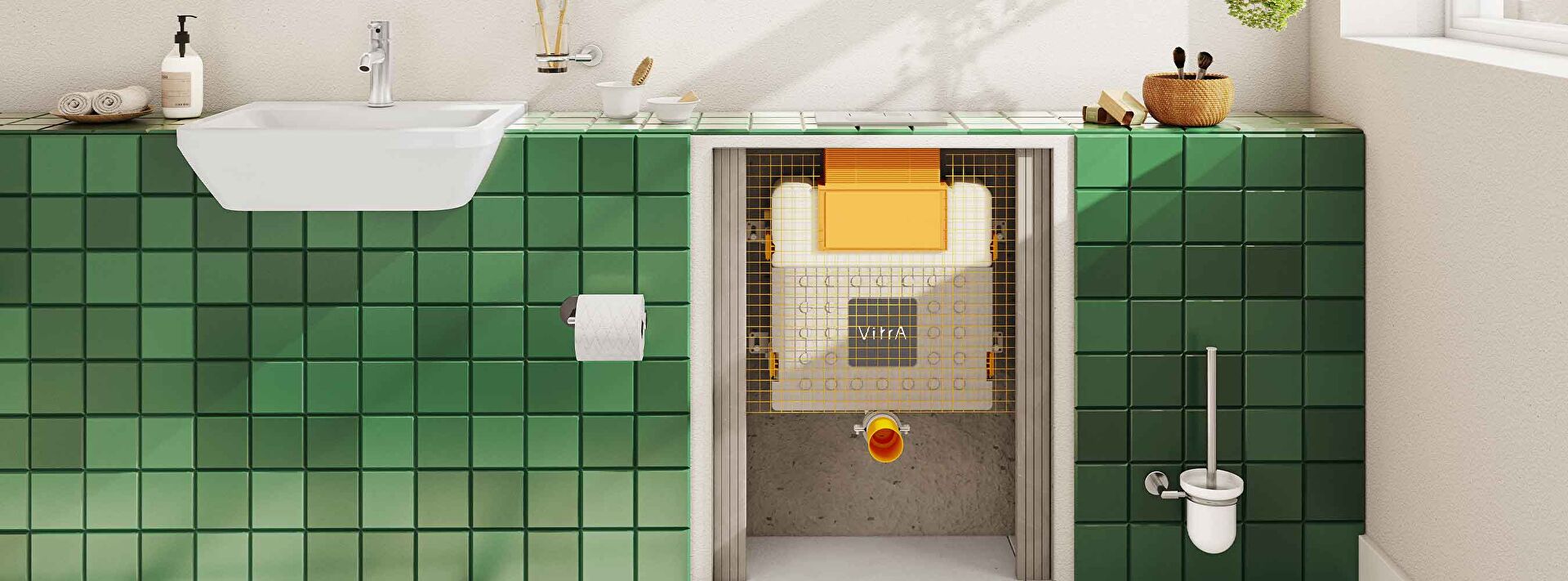
A commercial wall hung urinal UK specifiers select often includes concealed fixings and a rear waste outlet. The wall must be load-bearing or reinforced with a suitable frame system. In stud wall installations, a carrier frame distributes weight safely and aligns with concealed cisterns.
Benefits of wall mounted urinals include:
- Improved hygiene control
Open floor space allows cleaning teams to mop underneath without obstacles. This reduces standing water and unpleasant odours. - Flexible mounting heights
You can adjust installation height for adult, junior or mixed-use facilities. This is particularly important in schools and leisure centres. - Efficient space planning
A space saving urinal design with a compact projection of around 300mm helps maintain comfortable circulation in narrow washrooms.
Each ceramic urinal pan within the VitrA urinal range is finished with a smooth glaze that resists staining. Over time, this surface quality makes daily maintenance more straightforward and helps maintain a clean appearance.
Back Inlet And Top Inlet Urinals
The position of the water inlet plays a significant role in project planning. A back inlet urinal receives its water supply through the rear of the unit, typically concealed within the wall. This approach creates a streamlined look and protects pipework from accidental damage.
A top inlet urinal, by contrast, connects from above. You will often see this configuration paired with exposed flush pipes and manual or timed flush valves. It is a practical choice in refurbishment projects where altering internal wall pipework would be costly or disruptive.
When deciding between back inlet and top inlet urinals, consider:
- Existing plumbing configuration UK standards
Check where the current feed pipe is located. Aligning with the existing layout reduces installation time and cost. - Flush control system
Both configurations can connect to mechanical valves or sensor flush urinal UK systems. Confirm compatibility before ordering. - Maintenance access
Concealed systems look cleaner but require accessible panels for servicing flush valves and connections.
Flush Control And Flush Options
Flush control remains a major consideration in commercial settings. Older continuous flushing systems run throughout the day, especially in high-traffic buildings. Modern urinals now integrate low flush urinal systems and intelligent controls that flush only when needed.
Typical low-flush volumes range from 0.5 to 1.5 litres per use, depending on the flush valve and pressure conditions. Compared with outdated continuous systems, each flush is a set volume across a multi-unit installation.
Key flush options include:
- Manual push-button valves
Suitable for lower-traffic environments. They offer straightforward operation and simple servicing. - Timed automatic flush systems
These activate at set intervals. They reduce continuous flow yet may still flush when not required during quiet periods. - Sensor flush urinal UK systems
Infrared sensors detect user presence and trigger a flush only when needed. This keeps flushing to the moments it is needed and supports improved hygiene by limiting surface contact.
Many VitrA urinals are compatible with concealed cistern systems and modern flush plates. Concealed installations create a tidy wall finish and protect internal components. When specifying, confirm that your chosen ceramic urinal pan aligns with UK water regulations and pressure requirements.
Regular servicing of flush valves and ensuring correct trap installation helps prevent blockages and scale build-up. Proper installation from the outset reduces maintenance calls and extends product lifespan.
Sensor And Automatic Flush Systems
Sensor and automatic flush systems are increasingly specified in commercial washrooms where hygiene and flush control are priorities. Infrared technology detects user movement and activates flushing only when required. This prevents flushing during quiet periods and helps maintain a consistently clean bowl.
Automatic systems can be battery-powered or connected to the mains, depending on the building infrastructure. In high-traffic locations such as offices, shopping centres and transport hubs, these systems reduce touchpoints and support improved hygiene management.
When planning sensor-operated installations, ensure there is adequate access for maintenance and that flush volumes comply with UK flush volume standards. Correct setup and regular inspection will ensure reliable performance over the long term.
Installation Planning And Technical Considerations
Successful urinal installation starts with accurate measurements and clear understanding of site conditions. Projection depth, waste outlet position and inlet location must align with existing or planned pipework.
In most UK commercial projects, installers consider:
- Rim height
Around 650mm for adult users. Lower for junior facilities. Always check project specifications and Building Regulations, especially in accessible washrooms. - Projection depth
Compact models around 300mm suit smaller spaces. Larger commercial urinal bowl designs may project closer to 350mm for increased splash control. - Waste and trap configuration
Each unit requires a correctly sized trap to prevent odours. The waste outlet must comply with UK plumbing standards. - Wall strength and fixings
Solid masonry walls can accept direct fixings. Stud walls require reinforcement or a suitable carrier frame.
The VitrA urinal range includes detailed technical documentation to support installers and specifiers. Reviewing installation guides before ordering ensures compatibility with concealed cisterns, flush valves and pipe layouts.
Durability, Hygiene And Long-Term Maintenance
In high-traffic environments such as transport hubs, shopping centres or stadiums, urinals must withstand constant use. VitrA urinals are manufactured from vitreous china fired at high temperatures, creating a dense, impact-resistant structure.
The smooth glazed surface plays a critical role in hygiene management. It reduces the likelihood of staining and supports effective cleaning using standard commercial products. Over time, this helps maintain a consistent appearance across multiple units.
For facilities managers, maintenance planning should include:
- Routine cleaning schedules
Use non-abrasive cleaners to protect the glaze. Avoid harsh chemicals that may damage surface integrity. - Regular inspection of flush controls
Check sensor batteries or mains connections. Clean sensor lenses to ensure reliable activation. - Trap and waste checks
Periodic inspection prevents scale build-up and blockages, particularly in hard water areas.
By combining durable ceramic urinal construction with correct installation and maintenance, you reduce lifecycle costs and extend service life across your commercial washrooms.
Where VitrA Urinals Perform Best
The VitrA urinal range is designed for varied commercial applications. You will see these urinals specified in:
- Schools and universities
Adjustable installation heights support different age groups. Robust ceramic construction handles daily use. - Office buildings
Sensor flush urinal UK systems improve hygiene and flush only when needed in shared facilities. - Hospitality venues
Restaurants and hotels benefit from compact wall mounted urinal layouts that optimise limited space. - Leisure centres and sports facilities
High-traffic areas require reliable flushing and easy-to-clean surfaces. - Public buildings and transport hubs
Durable ceramic urinal wall mounted units provide consistent performance under heavy use.
Across these environments, the focus remains on reliability, controlled flushing and straightforward maintenance.
Why Choose The VitrA Urinal Range
When specifying commercial urinals UK wide, you need products that deliver consistent performance. VitrA urinals stand out through a combination of material quality and system compatibility.
Durable vitreous china → Resists wear and staining → Lower long-term maintenance costs
The dense ceramic body and smooth glaze withstand frequent cleaning and heavy use.
Compatibility with concealed cistern systems → Cleaner wall finish → Easier integration in modern washrooms
You can pair units with appropriate frames and flush plates for a streamlined installation.
Wall mounted configurations → Clear floor space → Faster, more effective cleaning routines
Suspended designs improve hygiene control in busy public toilet urinals UK facilities.
If you are planning a refurbishment or a new commercial project, reviewing the full VitrA urinal range allows you to compare inlet positions, projections and flush compatibility in one place. You can assess technical drawings, confirm plumbing alignment and select a solution that supports your flush control requirements. Explore the collection on the VitrA website and choose urinals designed to perform reliably in your specific environment.
Frequently Asked Questions About Urinals
What Is The Standard Height For Fitting A Urinal In The UK?
In most UK commercial settings, the rim is typically installed around 650mm from finished floor level for adult users. In schools or junior facilities, this is reduced to suit the age group. Always check project specifications and Building Regulations, especially for accessible washrooms. Correct height improves comfort and reduces splashback.
How Much Water Does A Urinal Use Per Flush?
Modern low-flush models can use as little as 0.5 to 1.5 litres per flush, depending on the flush control system. Older continuous flushing systems run on a fixed cycle regardless of use. Installing a sensor or timed flush valve limits flushing to the moments it is needed. Always confirm compatibility with your chosen cistern or valve.
Are Sensor-Operated Urinals Better For Hygiene?
Yes, touch-free flushing reduces contact with surfaces, which helps limit the spread of germs in busy washrooms. They are especially useful in offices, restaurants and public buildings. Regular maintenance is still important to keep sensors clean and functioning correctly. Battery or mains-powered options are available depending on site setup.
Do Urinals Need A Trap And Waste Connection?
Yes, each unit requires a correctly sized waste outlet and trap to prevent odours entering the room. The trap must be compatible with UK plumbing standards and accessible for maintenance. Proper installation and adequate flushing help prevent blockages and scale build-up. Always follow the manufacturer’s installation instructions.


